Why Inclusive Baby Massage Groups Aren’t Optional Anymore
The medical community has shifted. Pediatricians globally now recognise infant massage as mainstream healthcare, moving it from an alternative practice to an essential medical intervention.
But here’s what most practitioners miss: the science works equally well for every single family structure. Running genuinely inclusive baby massage groups is not a trend; it’s a baseline clinical requirement, because the neural pathways of an infant simply do not discriminate.
Research shows that affective touch activates specialised neural pathways crucial for bonding within the first two months of life [Link to Bonding Study]. This biological response happens whether a baby has two moms, one dad, adoptive parents, or grandparents as primary caregivers.
The biology is universal. Your welcome needs to be too.
I’ve watched this play out across thousands of families over my 23 years in the field. The ones who feel genuinely welcomed don’t just attend once. They become your most committed participants, your word-of-mouth advocates, and your living proof that this work changes lives.
The Families You Are Missing Without Realising It
Let me show you the invisible barriers I’ve learned to spot in communities that lack inclusive baby massage groups.
LGBTQ+ Families
LGBTQ+ families face systemic discrimination before they even reach your directory. Research from the American Society for Reproductive Medicine found that 25% of LGBTQ+ patients experienced discrimination from fertility clinics, with some outright denied services based on sexual orientation or gender identity.
By the time they’re looking for postnatal support, they’ve already developed a sharp radar for spaces that center heteronormative assumptions. If your intake form asks exclusively for “mother’s name” and “father’s name,” you’ve just explicitly told them this isn’t their space.
Single Parents
Single parents carry disproportionate daily stress. They are statistically more likely to experience postpartum depression and limited social support. Their children face greater risks of academic and emotional challenges, not because single-parent families are inherently problematic but because historical support infrastructure wasn’t designed for them.
When your class runs at 10:00 AM on a Tuesday and strictly requires “both parents to attend the first session,” you’ve excluded them entirely by design.
Adoptive and Foster Families
Adoptive and foster families navigate uniquely beautiful bonding timelines. They need the exact same touch-based connection tools but standard parental language around birth, breastfeeding, and “natural bonding” can feel like walking through an emotional minefield. I’ve trained hundreds of instructors, and the best ones learn to speak about connection without assuming origin stories.
What Genuine Inclusion Actually Looks Like
True inclusion isn’t a paragraph of text on your website. It’s operational. Here is what I have built into every training program I run, and what I encourage every practitioner to implement:
Before They Arrive
-
-
Redesign Your Intake Forms: Replace “mother” and “father” with “parent/caregiver 1” and “parent/caregiver 2” or simply “primary caregivers.” Add an optional field: “Is there anything about your family structure we should know to better support you?” This isn’t political correctness; it’s smart data collection that lets you serve people properly.
-
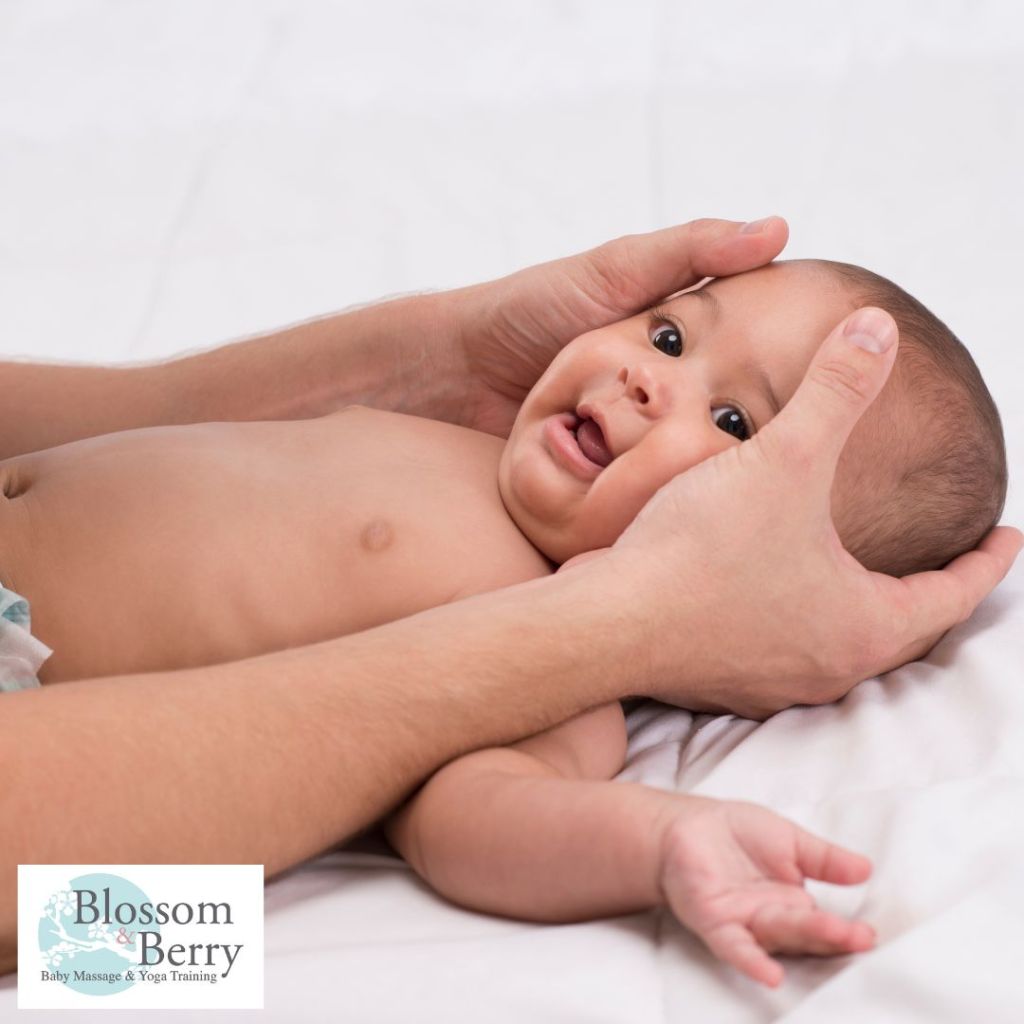
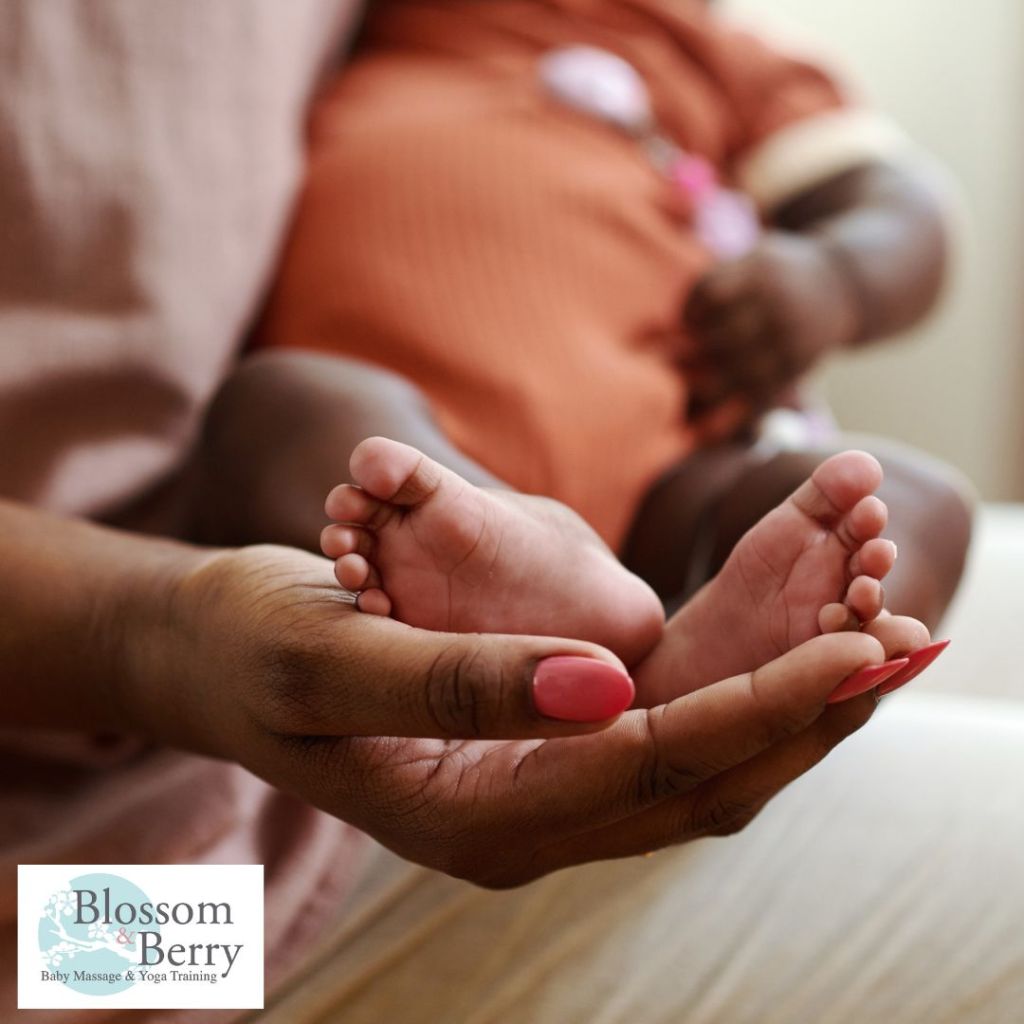
Update Your Imagery: If every photo on your website shows heterosexual couples with biological infants, you’re broadcasting who you think belongs. Your visual marketing should explicitly reflect reality. Show single parents, same-sex couples, grandparents, foster caregivers, and adoptive families.
-
State Your Values Explicitly: Don’t make people guess. Actively share resources on supporting diverse parental identities and reducing healthcare disparities.
-
When They Walk Through the Door
-
Train Yourself Out of Assumptions: Don’t ask a woman if she’s breastfeeding; ask how feeding is going. Don’t assume the person holding the baby is the biological parent. Don’t reference “mom and dad” when you mean “caregivers.” I’ve watched skilled instructors lose families in the first five minutes through language habits they didn’t even notice.
-
Create Flexible Attendance Policies: A single parent can’t bring a partner to mandatory “partner sessions.” A shift worker can’t make morning classes. A family relying on public transit needs predictable timing. I run programs where parents can attend solo, bring a support person of any relation, or join online when in-person doesn’t work. The massage techniques don’t change. The access does.
In Your Teaching Language
-
Center the Baby, Not the Birth Story: Talk about “your baby’s early weeks” rather than “since birth.” Discuss “building connection” rather than “natural bonding.” Reference “your feeding journey” rather than assuming breastfeeding. This language works for everyone, including families you haven’t thought to accommodate yet.
-
Acknowledge Different Starting Points: Some families begin bonding from day one. Others are building attachment with a baby they met at six months old. Both need your skills; neither needs your assumptions. Research confirms that caregivers who massage their babies regularly create more secure attachments, regardless of when that relationship began.
Building Sustainable Infrastructure for Infant Classes
I’m not interested in inclusion theater. I’m interested in building systems that work flawlessly when you’re tired, distracted, or training your tenth instructor that month.
-
Create Template Language: Write down how you’ll introduce activities without gendered assumptions. Script your welcome so it doesn’t rely on your memory, it’s just how you always speak.
-
Build Active Feedback Loops: After each course, ask: “Did anything in our language or structure make you feel unseen?” People will tell you where the structural gaps are if you ask directly and respond to what you hear.
-
Train Every Instructor in the Model: Inclusion can’t live safely in one person’s head. It needs to be written explicitly into your training manual, your assessment criteria, and your quality standards. I’ve built this directly into the Blossom & Berry certification process because I’ve seen what happens when it’s treated as optional. It becomes inconsistent, then invisible, then gone.
The Outcome You Are Building Toward
Here’s what changes when you successfully establish inclusive baby massage groups: Families stop asking if they’re welcome. They just come.
Your groups naturally become spaces where a single dad doesn’t feel like the only man in the room because you’ve made diverse visibility normal. Where same-sex couples don’t brace for awkwardness because your language never assumed heterosexuality. Where adoptive parents don’t prepare defensive explanations because you never asked for one.
The research shows that infant touch therapy lowers postpartum depression symptoms and strengthens bonding. But those benefits only reach families who feel safe enough to participate. Inclusion isn’t about being nice. It’s about being effective.
You’re not running a social club. You’re delivering an evidence-based intervention during the most critical developmental window in human life, the first 1,001 days that shape everything downstream. Every family you exclude is a child who doesn’t receive what the science says they need.
Systems Over Sentiment
The practitioners who build genuinely inclusive baby massage groups aren’t more naturally gifted at empathy. They’ve simply made different structural choices.
They’ve redesigned intake forms, rewritten class descriptions, retrained their automatic language habits, and rebuilt their schedules around community access rather than personal convenience. They’ve stopped waiting for diverse families to magically find them and started actively removing the barriers that kept those families away.
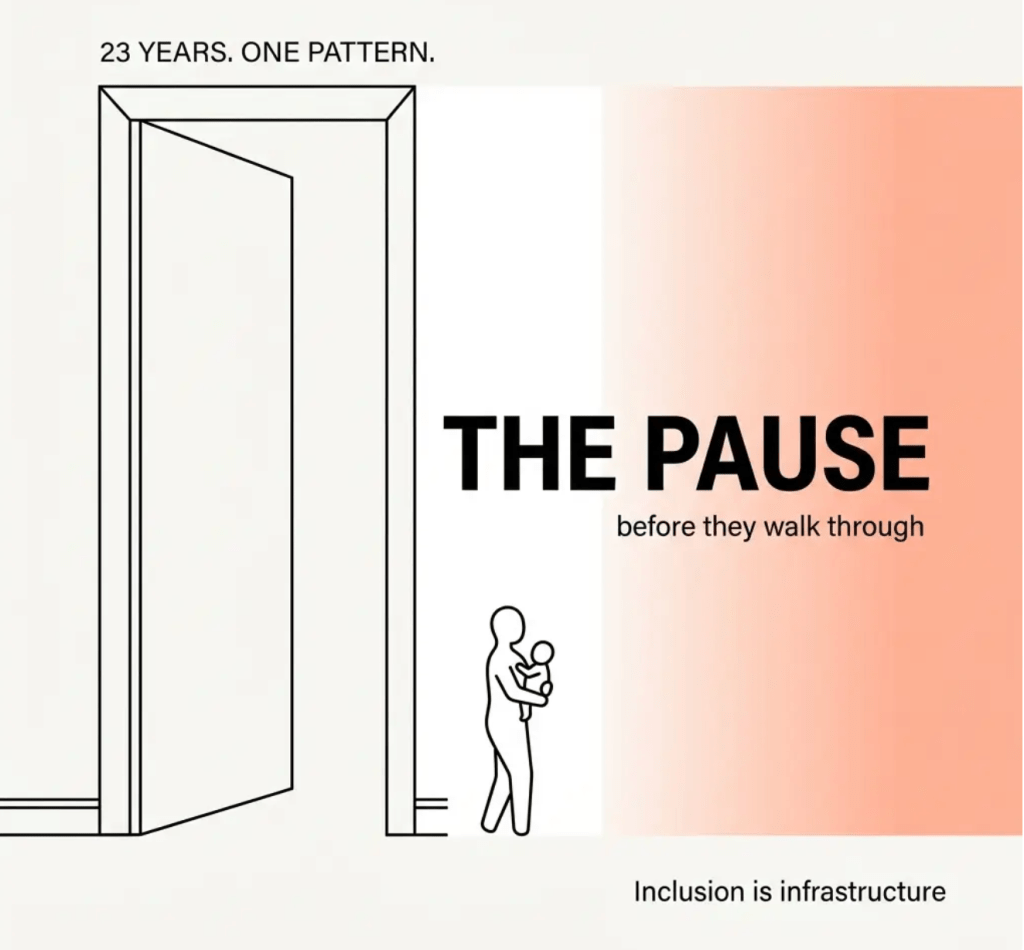
I’ve trained practitioners across six continents, and the pattern holds everywhere: when you build infrastructure for inclusion, families feel it before you say a word. They see themselves in your imagery. They recognise their family structure in your forms. They hear their reality in your language.
And they stay.
Because you’ve built something rare: a space where love is technical, touch is learnable, and every family configuration is simply assumed to belong.
That’s the work. Not inspiration, infrastructure. Not sentiment, systems. Not hoping families feel welcome, removing every single structural reason they might not.