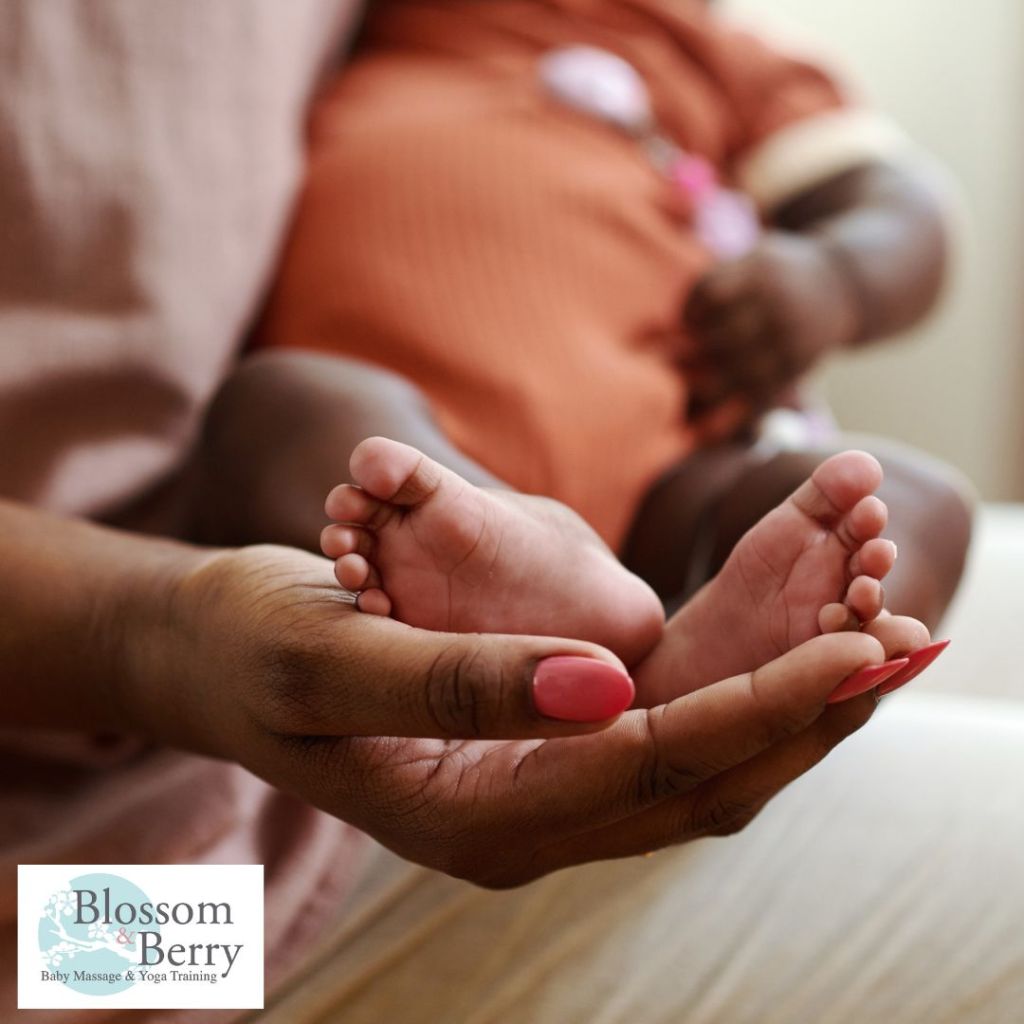
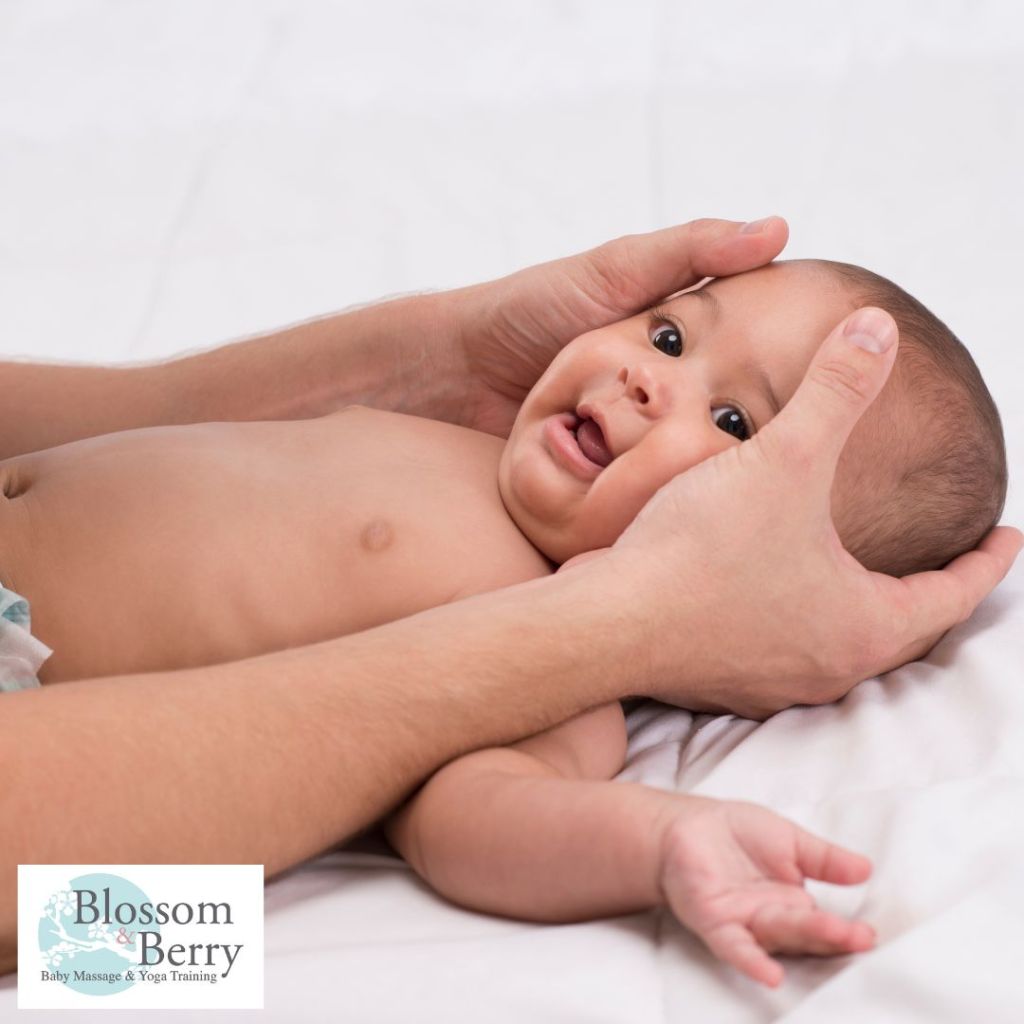

The Roots of Baby Massage: Honouring the Practice
Understanding the roots of baby massage means looking back through thousands of years of cross-cultural history. Long before modern research validated its biological benefits, traditional societies recognised infant touch as a vital part of early caregiving.
Exploring these ancient traditions helps modern practitioners and parents honour infant massage as a sacred, time-tested practice of connection and care.
If you are a practitioner interested in deepening your knowledge of infant touch, explore our Village Visionary Diploma to integrate traditional wisdom with modern practice.
1. Ancient Civilisations
The foundational roots of baby massage stretch back across ancient Egypt, India, China, and Greece. In these early societies, physical touch and oil application were standard therapeutic tools used to protect infants, foster physical strength, and encourage relaxation right from birth.
2. The Ayurvedic Tradition of India
In India, infant massage (Abhyanga) has been a core pillar of Ayurvedic medicine for thousands of years. Ayurveda emphasises daily touch to balance physical, emotional and spiritual well-being. Traditional daily massage is believed to strengthen the musculoskeletal system, support circulation, and deepen the bond between parent and child.
3. Traditional Chinese Medicine (TCM)
Traditional Chinese medicine incorporates infant touch through techniques such as Tui Na. By stimulating specific acupressure points along energy pathways, practitioners and parents encourage the free flow of vital energy (Qi), aiding digestion, immune function and emotional calm in babies.
4. Western Recognition & Modern Development
While traditional societies kept these practices alive through generations, Western medical culture began adopting infant massage in the 20th century. Obstetricians like Dr. Frédérick Leboyer, author of Birth Without Violence (1974), championed gentle infant massage as a respectful, essential step for easing a baby’s transition into the world.
5. Research & Global Acceptance Today
Modern neuroscience and attachment research now confirm what ancient traditions always knew: nurturing touch releases oxytocin, lowers stress hormones, aids digestion, and promotes secure attachment. Organisations like the Parent-Infant Foundation continue to highlight how early connection shapes lifelong development.
Honouring the Heritage of Infant Touch
Tracing the historical roots of baby massage reminds us that nurturing touch isn’t a modern trend; it’s a foundational human practice. By continuing this lineage with respect and intention, parents and practitioners offer infants a safe, deeply grounding start to life.