
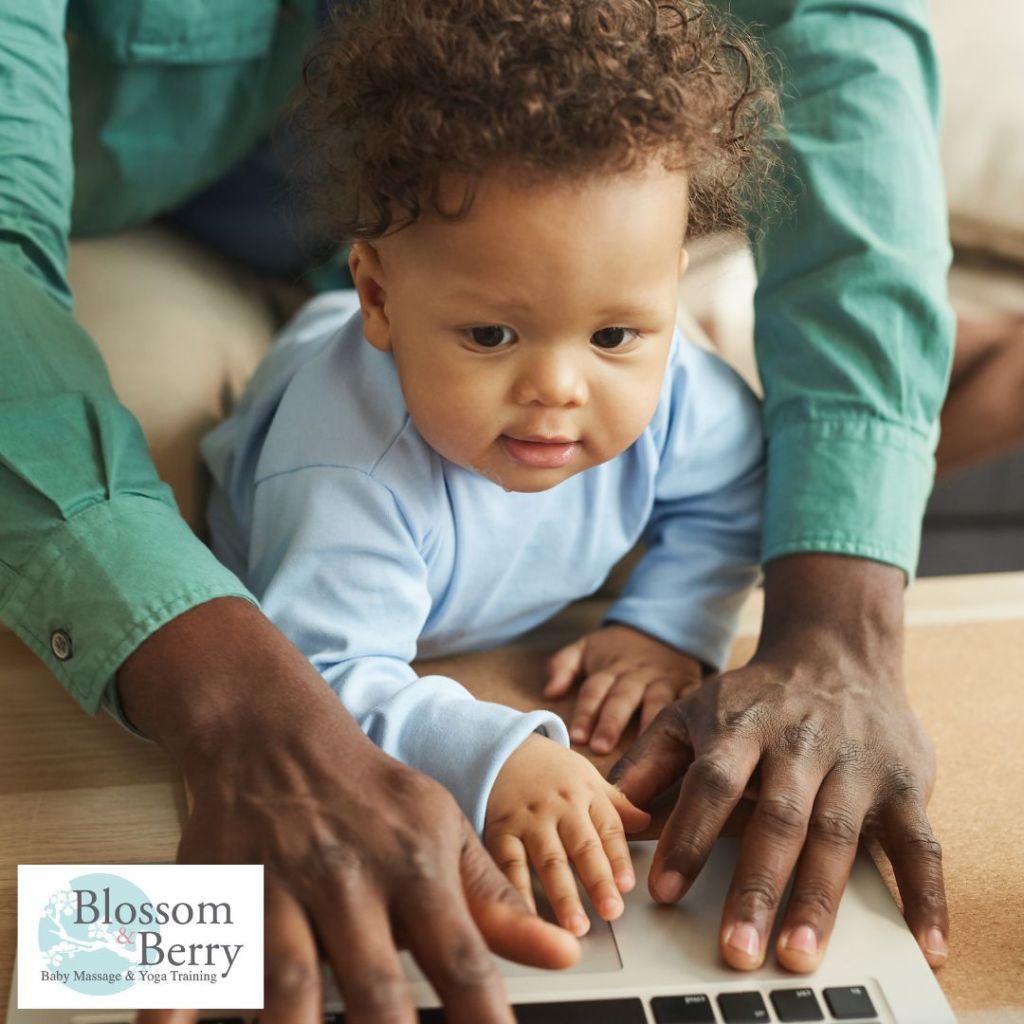

Screen Time on Babies: 8 Effects & 10 Alternatives
In today’s digital world, understanding the effects of screen time on babies has become a top priority for parents and caregivers. While technology offers convenience, prolonged or unsupervised exposure to screens during infancy can pose real risks to early childhood development.
While occasional, supervised exposure to educational content may seem harmless, research shows that prolonged or unsupervised screen time during infancy can pose significant risks to early development. Understanding these potential impacts allows parents to make informed decisions and create healthy digital boundaries for their children.
8 Critical Effects of Screen Time on Babies
During the first two years of life, a baby’s brain undergoes rapid, foundational growth. Infants learn best through hands-on exploration and real-world human interactions. Here is how excessive screen time can affect your baby’s milestones:
1. Delayed Cognitive and Social Milestones
Excessive screen time during infancy can interfere with overall cognitive, language, and social-emotional growth. Time spent passively watching a screen detracts from opportunities for active exploration, social interaction, and learning directly from the physical environment.
2. Speech and Language Delays
Language acquisition relies heavily on face-to-face communication. Babies learn to talk best by observing caregivers—watching facial expressions, lip movements, gestures, and listening to vocal cues. Passive screen consumption reduces these crucial verbal exchanges, which can contribute to speech delays in infants.
3. Attention and Concentration Difficulties
Fast-paced animations and bright flashing lights overstimulate a baby’s developing brain. Over time, infants accustomed to continuous sensory input from screens may find quieter, real-world activities unexciting, contributing to shorter attention spans and concentration challenges later in childhood.
4. Sleep Disruption and Blue Light Exposure
Screen time, especially close to bedtime, can severely disrupt a baby’s sleep patterns. The blue light emitted by electronic devices suppresses the production of melatonin, the natural hormone regulating sleep-wake cycles. This makes it significantly harder for babies to wind down, fall asleep, and stay asleep.
5. Reduced Physical Activity and Delayed Motor Skills
Physical movement is essential for building muscle strength, balance, and coordination. High amounts of screen time contribute to sedentary behavior, replacing vital opportunities for active play, crawling, rolling and physical exploration needed to reach key motor milestones.
6. Hindered Social-Emotional Bonding
Infants develop emotional regulation, empathy, and social awareness through direct human connection. Excessive screen use reduces quality face-to-face interaction and bonding between babies and caregivers, limiting opportunities to learn essential real-life social cues.
7. Increased Long-Term Risk of Childhood Obesity
Sedentary habits established in early infancy often carry over into later childhood. High screen exposure is strongly associated with an increased risk of obesity, as screen time frequently replaces active physical play and leads to passive, sedentary routines.
8. Exposure to Inappropriate Content
Unsupervised screen use increases the risk of babies inadvertently being exposed to fast-paced imagery, loud advertisements, or age-inappropriate content. Caregivers should closely monitor screen exposure to ensure media remains safe, gentle, and age-appropriate.
What to Offer Your Baby Instead: 10 Screen-Free Activities
Replacing screen time with rich, hands-on experiences provides your infant with the sensory stimulation they need for healthy development. Here are 10 expert-recommended screen-free alternatives:
-
Baby Massage: Practicing gentle massage techniques using a natural oil promotes relaxation, strengthens caregiver bonding, enhances sensory awareness, and supports healthy sleep patterns.
-
Sensory Play: Set up a sensory bin or tray filled with materials like water, textured fabrics, or child-safe items for your baby to explore with their hands, boosting fine motor skills and sensory processing.
-
Tummy Time: Placing your baby on their stomach on a soft play mat builds essential strength in their neck, shoulders, and core muscles—preparing them for rolling, sitting, and crawling.
-
Exploration with Safe Toys: Provide age-appropriate rattles, soft blocks, and textured teething rings to stimulate your baby’s curiosity, sensory discovery, and motor coordination.
-
Interactive Board Books: Share lift-the-flap or touch-and-feel board books with bright colors and simple illustrations. Reading together encourages early language development, bonding, and a lifelong love of books.
-
Music and Movement: Sing songs, play simple instruments, or dance with your baby. Music activities enhance auditory processing, rhythm awareness, physical coordination, and shared joy.
-
Outdoor Exploration: Take daily strolls in local parks, nature reserves, or your backyard. Being outdoors exposes infants to natural sights, soothing sounds, fresh air, and calming sensory stimulation.
-
Baby Sign Language: Introduce simple hand gestures (like “more,” “milk,” or “all done”). Baby sign language helps infants express their needs before they can talk, building early communication skills and reducing frustration.
-
Water Play: Fill a shallow basin with warm water and let your baby splash with safe water toys. Water play builds hand-eye coordination while offering a comforting sensory experience.
-
Baby Gym or Playgroups: Join a local baby gym class or community playgroup where infants can socialize with peers and explore new toys in a safe, structured environment.
Tips for Building Healthy Screen Time Habits
While complete avoidance of digital media isn’t always possible, setting clear boundaries supports healthy development:
-
Prioritise Real-World Play: Make interactive, sensory-rich experiences the primary focus of your baby’s daily routine.
-
Co-View When Media is Used: When screen time is unavoidable, choose high-quality content and engage directly with your baby during the show to turn it into an active learning experience.
-
Keep Bedrooms Screen-Free: Avoid screens in sleep environments to protect natural melatonin production and encourage healthy bedtime habits.
By replacing passive media consumption with engaging, screen-free activities, you provide your baby with the foundational tools needed to learn, grow, and thrive.