

Why the First 1001 Days Are So Important for Babies
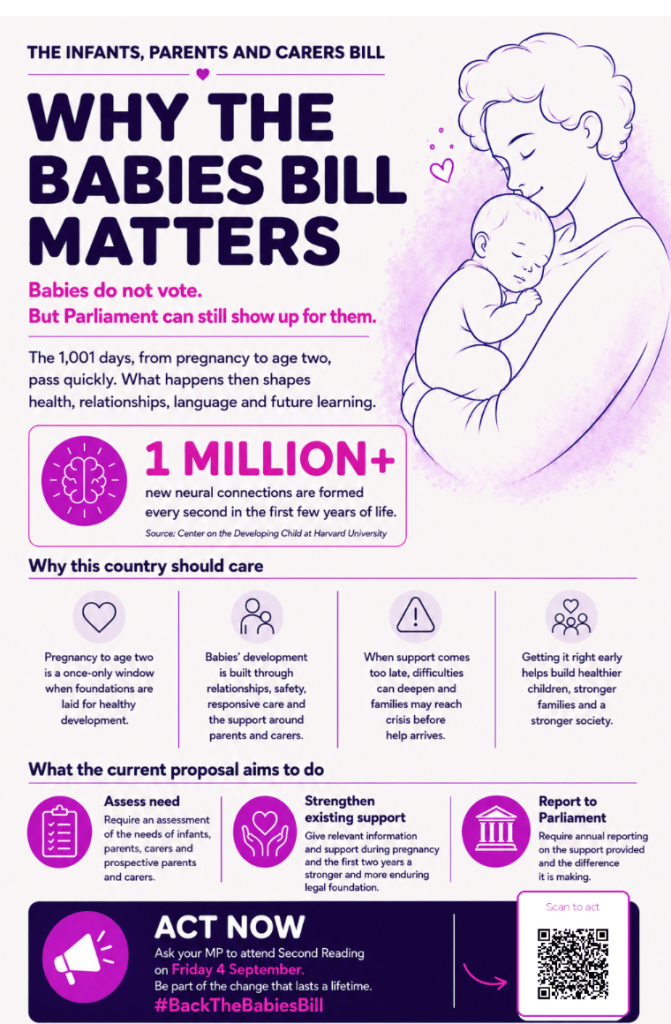
The first 1001 days of life, spanning from conception to a child’s second birthday, are widely recognised by child development experts as the most critical window for infant growth and lifelong health. During this remarkable period, a baby’s brain and body develop faster than at any other stage of life.
Understanding what happens during these foundational days empowers parents and caregivers to create nurturing environments that help babies thrive. Here are seven key reasons why the first 1001 days matter so much.
1. Rapid Baby Brain Development
The majority of human brain development takes place during the first 1001 days. In these early months and years, billions of neurons form millions of new connections, known as synapses, every second in response to a baby’s environment and daily experiences. These early neural pathways build the architecture for future learning, behaviour and emotional regulation.
2. Critical Windows for Learning and Social Skills
Throughout the first 1001 days, the brain goes through specific “critical periods” where certain abilities are especially receptive to outside experiences. Key milestones that rely heavily on early stimulation include:
-
Language acquisition: Hearing spoken words, songs and responsive chatter.
-
Social skills: Learning to read facial expressions and engage in back-and-forth interactions.
-
Emotional regulation: Being soothed by a trusted caregiver when overwhelmed.
3. Essential Nutrition for Growth and Immunity
Proper nutrition during pregnancy, infancy and toddlerhood fuels the intense physical and cognitive growth happening in the first 1001 days. Whether through breastfeeding, formula feeding, or introducing nutrient-dense solid foods, balanced nutrition directly supports:
-
Healthy brain tissue growth and cognitive function
-
A strong, developing immune system
-
Long-term metabolic health
4. Deep Parent-Child Bonding and Secure Attachment
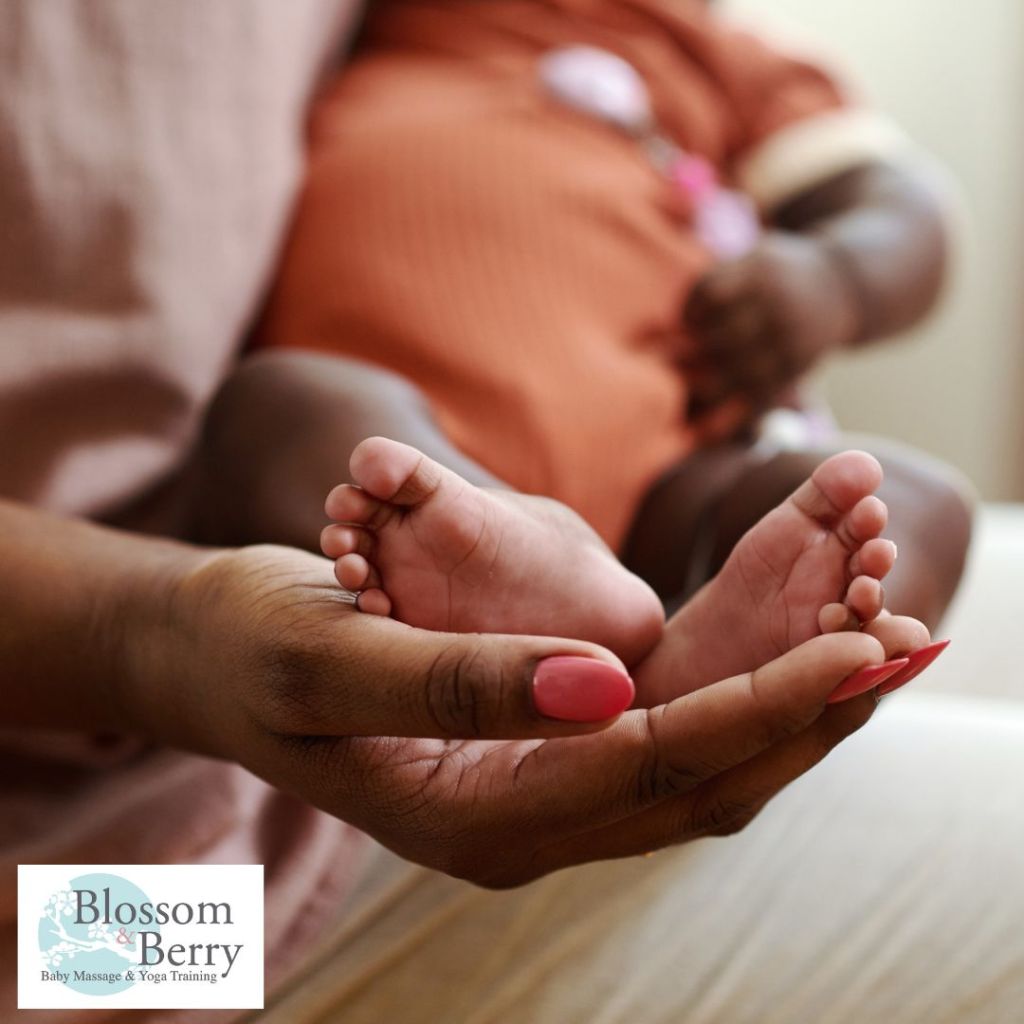
The relationship a baby builds with their primary caregivers forms the blueprint for how they view the world. Responsive caregiving, skin-to-skin contact, baby massage, and loving eye contact release oxytocin and build a secure attachment. When babies feel safe and understood, they develop a secure base from which to confidently explore their surroundings and form healthy relationships later in life.
5. Effective Early Intervention
Because the infant brain is so adaptable, a quality known as neuroplasticity, the first 1001 days offer the best opportunity to identify and support potential developmental delays or health concerns. Accessing early intervention services, such as speech therapy, physical therapy, or targeted developmental support, leads to significantly better outcomes when started before age two.
6. Protection Against Adverse Childhood Experiences (ACEs)
High levels of early stress, neglect, or Adverse Childhood Experiences (ACEs) can disrupt healthy brain architecture and impact long-term physical and mental health. Surrounding babies and their families with strong community support, calm routines and loving care buffers against toxic stress and builds lasting emotional resilience.
7. A Foundation for Lifelong Health and Wellbeing
Every cuddle, conversation, nutritious meal, and responsive interaction during the first 1001 days adds up. Investing in a baby’s emotional, physical and cognitive needs during this unique window doesn’t just support them as infants; it sets the stage for better educational outcomes, stronger mental health and greater resilience well into adulthood.
Supporting Your Baby’s First 1001 Days
The first 1001 days represent an irreplaceable opportunity to nurture your baby’s potential. Simple, everyday moments, like talking to your bump, practicing gentle touch, responding to your baby’s cues and sharing smiles, make a lasting difference.