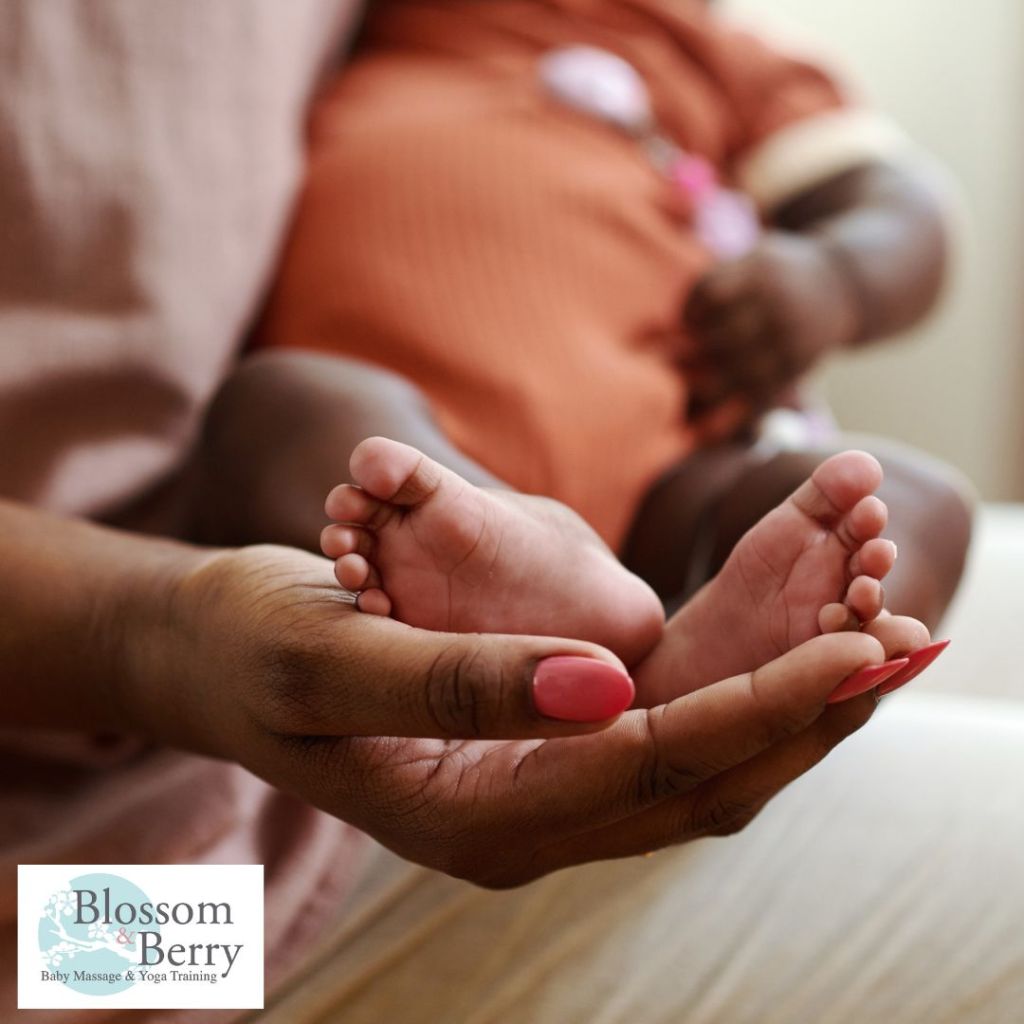


Baby Massage for Sleep: Can It Help Babies Settle?
I’ve watched thousands of parents struggle with infant sleep. The exhaustion becomes a thick fog that settles over everything. You try routines, white noise, different rooms, and varying bedtimes. Sometimes it works. Often it doesn’t.
What I’ve learnt over 23 years is this: the answer isn’t always about what you do to your baby’s environment. Sometimes it’s about what you do with your hands.
The Science Behind Baby Massage and Sleep
When parents ask me about using baby massage for sleep, they’re usually looking for permission to believe it actually works. They’ve read something online, or a friend mentioned it. They want to know if it’s a real solution or just another thing that sounds nice but changes nothing.
Here’s what I tell them: baby massage isn’t magic. It’s physiology.
The Power of Touch by the Numbers
Recent research tracking babies aged 2–11 months revealed a profound shift:
Before the study: 96.7% of infants experienced poor sleep quality.
After structured touch protocols: 86.7% achieved good sleep quality.
That’s not a small shift. That’s a total transformation in how infants regulate, settle, and sustain deep sleep.
How Touch Regulates an Infant’s Nervous System
Your baby’s nervous system is still learning how to exist outside your body. For nine months, every single sensation was filtered through you. Temperature, movement, sound, and pressure were all mediated. All safe.
Then birth happens. Suddenly, your baby has to regulate independently, and they don’t know how to settle a baby yet—because their body hasn’t learned the skill. Touch is the primary language their nervous system already understands.
When you massage your baby, you’re not just soothing them. You’re actively activating their parasympathetic nervous system. That’s the part of the brain responsible for calm, for rest, and for creating the biological state that allows sleep to happen.
Studies confirm that gentle stroking stimulates vagal tone, which directly improves autonomic regulation. That internal regulation is what keeps your baby asleep once they finally drift off. This isn’t just a temporary comfort; it is neurological architecture.
The Biochemistry of Settling
I used to think touch was mostly about emotional connection. It is. But it’s also deeply rooted in body chemistry. When you utilize baby massage for sleep, measurable chemical shifts happen inside their tiny body:
-
Cortisol drops: This is the stress hormone that keeps them wired, alert, and overtired.
-
Serotonin and dopamine rise: These are the neurochemicals that signal safety, happiness, and well-being.
-
Oxytocin increases: The ultimate bonding hormone that deepens your baby’s sense of security.
Research shows that the therapeutic touch increases vagal tone and dopamine while simultaneously decreasing cortisol. These aren’t abstract benefits. They are the exact biological conditions required for rest. Your hands are creating the internal environment where sleep becomes physically possible.
Why the First 1,001 Days Matter
There is a critical developmental window. It opens at conception and closes around your child’s second birthday. During this brief time, your baby’s brain is forming an astonishing one million neural connections every single second. The patterns established right now become the absolute foundation for lifelong regulation, learning, and emotional health.
Touch during this period isn’t just about surviving tonight’s bedtime. It’s about installing the internal regulatory systems your child will use for decades to come.
The first 1,000 days represent a window where early interventions have profound, lasting effects. What you do now shapes how your child’s nervous system responds to stress, transitions, and rest for years to come. This is why I don’t call massage an intervention. I call it infrastructure.
What Happens When Touch Is Missing?
I’ve looked closely at the research regarding what happens when babies don’t receive consistent touch during moments of stress. One study measured cortisol reactivity in infants. The babies who received maternal touch during distress showed cortisol levels that successfully decreased during recovery.
The babies without touch? Their cortisol levels continued to rise.
Touch doesn’t just comfort; it actively regulates the human stress response. When you massage your baby before bed, you are teaching their body how to transition from high arousal to deep calm. You are giving them a repeatable pathway to rest. Without that pathway, settling becomes harder, sleep becomes fragmented, and your baby stays in a state of low-level activation that prevents deep REM cycles.
Baby Massage vs. Other Infant Sleep Tips
Parents often ask me: what about white noise? Swaddling? Soft music?
These tools can certainly help, but they are secondary. Comparative research has found that while both infant massage and classical music therapy improve sleep, massage stands out as the significantly more impactful option.
The reason? Massage requires active engagement of the infant’s body and yields direct physiological benefits. You aren’t just masking the problem or tuning out noise. You are addressing the root cause of their restlessness. Other interventions create external conditions for sleep; massage creates the internal capacity for it.
The Long-Term Benefits of Touch for Infant Rest
Over my 23 years of training thousands of practitioners and parents, I’ve noticed that the transformations aren’t always immediate. But they are entirely consistent.
Parents tell me their babies settle faster, wake less frequently, and sleep deeper. But they also tell me something else: they feel a massive boost in their own confidence.
When you possess the practical skills to help your baby regulate, the intense anxiety surrounding bedtime begins to loosen its grip. You stop feeling helpless because you have a tool that works. That confidence changes the entire energetic dynamic of the room. Your baby feels it, your own nervous system calms down, and the environment of the whole household shifts.
The Bigger Picture
The benefits of baby massage extend far beyond getting through the night. It is about building the lifelong foundation for how your child relates to their body, processes stress, and finds calm in a chaotic world.
The physical touch you offer right now installs patterns that persist. Long-term research on kangaroo care shows that just one hour of structured touch per day for six weeks leads to decreased cortisol reactivity and increased oxytocin months down the line. The benefits extend far beyond the initial intervention period. You’re not just helping your baby sleep tonight; you are teaching their nervous system how to find rest for a lifetime.
Conclusion: Ready to Help Your Baby Settle?
Can baby massage help babies settle?
Yes. Not simply because it feels soothing, but because it is fundamentally structural. It activates the biological systems required for deep rest, reduces the stress hormones that prevent settling, and creates a repeatable pathway from daytime arousal to nighttime calm.
You don’t even need to believe in the science behind it, you just need to do it consistently. Your baby’s nervous system will handle the rest.
If you’re ready to learn how to use intentional touch as a tool for sleep, emotional regulation, and lifelong well-being, I’ve spent over two decades building the exact training to make this possible. This isn’t just abstract theory; it is a practical skill set you can begin using tonight.
Because every baby deserves to rest and every parent deserves to know how to help them get there.