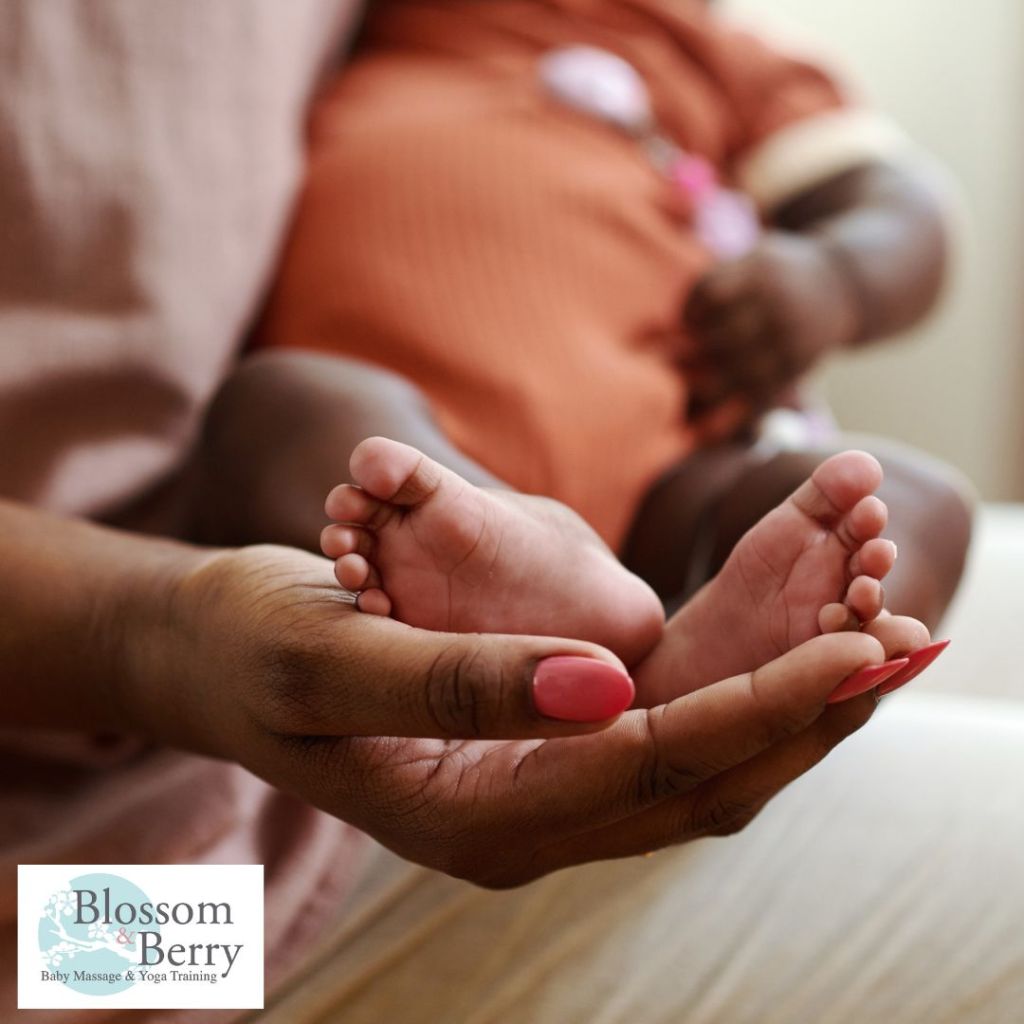


Beyond the Cuddles: The Somatic Science of Baby Massage and Yoga
You might not have heard baby massage and yoga referred to as somatic activities but that is exactly what they are in essence. It’s why, as human beings, we intuitively gravitate towards them.
As mammals and social creatures, somatic regulation is vital to our health and well-being. The beauty of these exercises is that they are cross-cultural and accessible to all. They feel good because they are good for our bodies, helping to bring us back into harmony and reset our nervous systems.
Since babies are still learning to navigate the world and their place within it, somatic practices are particularly foundational for their growth.
What Does “Somatic” Mean for a Baby?
In short, “somatic” refers to the internal perception of the body. For an infant, somatic exercises are gentle, body-centered movements and touch-based practices that help them “map” their physical selves.
Here is how these practices profoundly influence a baby’s developing nervous system:
1. Regulating the Autonomic Nervous System (ANS)
Somatic exercises, like gentle rhythmic movements and intentional touch, help regulate the ANS, which controls involuntary functions like heart rate and digestion. By engaging in soothing practices, babies activate the parasympathetic nervous system (the “rest and digest” mode), promoting deep relaxation and reducing cortisol levels.
2. Stimulating Proprioceptive and Vestibular Systems
Activities like tummy time, gentle rocking and guided yoga poses stimulate the systems responsible for:
-
Body Awareness: Knowing where their limbs are in space.
-
Balance: Developing the inner ear’s sense of equilibrium.
-
Coordination: Building the foundation for sensory integration.
3. Enhancing Sensory Processing
The world is a loud, bright, and tactile place. Somatic play introduces different textures and stimuli in a controlled, safe way. This helps a baby’s brain learn to filter and organise sensory input, making them more resilient and adaptable to their environment.
4. Strengthening Bonding and Attachment
Physical contact is the primary language of love for an infant. Massage and cuddling release oxytocin (the “love hormone”) in both the caregiver and the baby. This chemical surge strengthens the bond, fostering a sense of security that is essential for a healthy nervous system.
5. Building Vital Neural Pathways
Every time a baby moves or feels a guided stretch, they are building “highways” in the brain. Somatic exercises support neural plasticity, facilitating the formation of connections between neurons that contribute to long-term cognitive development.
6. Emotional Regulation and Resilience
Somatic practices provide comfort and reassurance. Through rocking and holding, babies learn what it feels like to move from a state of distress to a state of calm. This is the beginning of self-regulation, a skill that helps them handle stressors later in life.
7. Supporting Motor Milestones
From reaching and grasping to rolling and crawling, somatic movement provides the strength and coordination necessary for physical milestones. It bridges the gap between a baby’s natural reflexes and intentional, controlled movement.
The Holistic Impact
Ultimately, somatic exercises offer a holistic approach to infant care. By incorporating these nurturing movements into daily routines, you aren’t just “playing”, you are providing your baby with the tools for a balanced nervous system and a strong foundation for lifelong well-being.
Join our Baby Massage & Yoga Teacher Training and start a career that changes lives, starting with the heart.