
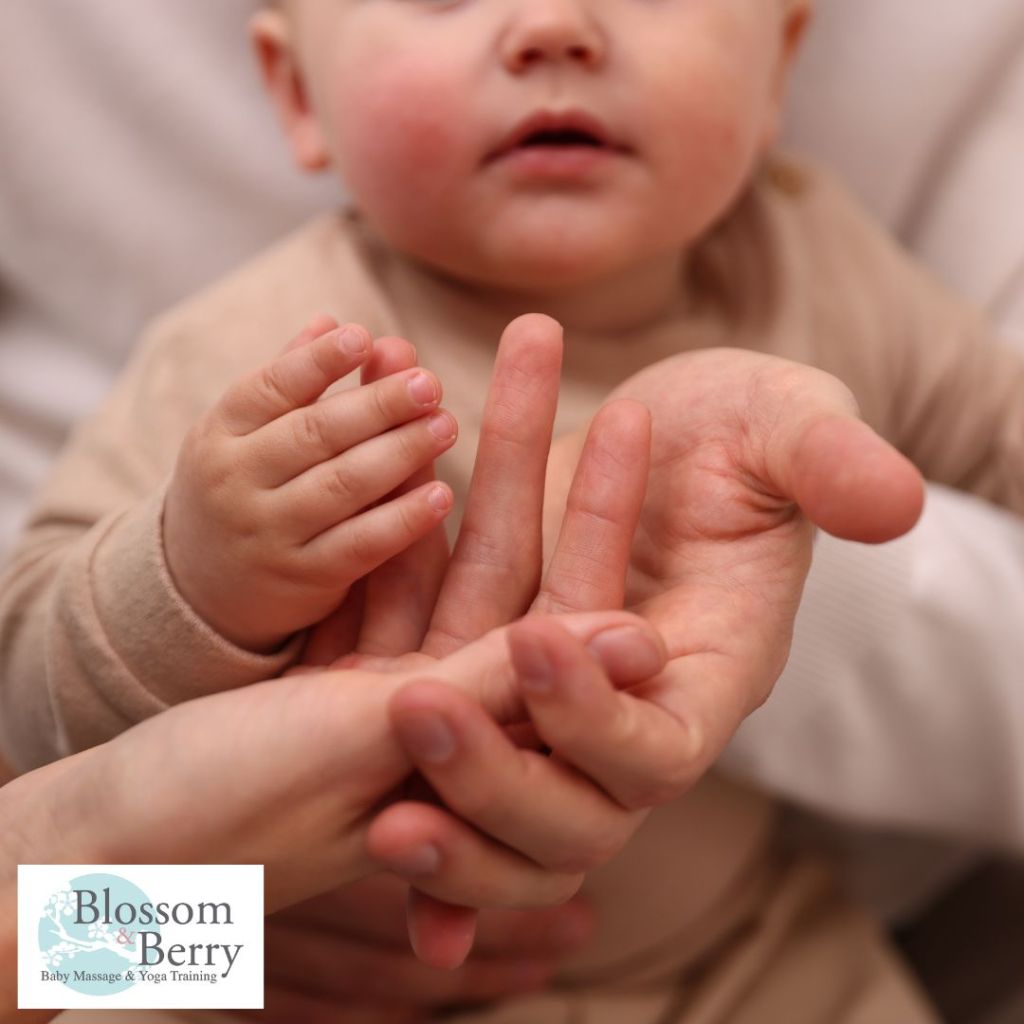
Introduction: An Ancient Practice, A Modern Science
In a village in Uttar Pradesh, a grandmother cradles her newborn grandson across her lap. She sings softly, works sesame-scented oil into her palms, and begins the same gentle strokes she learned from her mother. She does not need a medical journal to tell her this works. “Massage soothes them, helps their bones to develop,” she says. “It is the best way to welcome a baby into the world.”
This scene — repeated across India, Nepal, Indonesia, Nigeria, and beyond — has played out for millennia. Medical research also supports what traditional caregivers have always known. A growing body of clinical evidence confirms that infant touch and massage deliver measurable, lasting benefits to a baby’s brain, body, and emotional development. But science also has important nuances to offer: not all touch is the same, the timing of massage matters, and the oil you choose can help or harm.
This guide cuts through the noise to give you a clear, evidence-based roadmap.
The First Critical Distinction: Skin-to-Skin Contact vs. Infant Massage
Before we talk about when to start, it’s vital to understand that these are two distinct practices — and conflating them leads to confusion about appropriate timing.
Skin-to-Skin Contact (Kangaroo Care)
What it is: The baby, wearing only a nappy, is placed chest-to-chest against a parent’s bare skin. No technique, no sequence, no oil. It is holding — warm, close, and unmediated.
When it starts: Immediately at birth — from the first minutes of life, in healthy term babies. For premature or NICU babies, it is initiated as soon as they are clinically stable, even with tubes and wires present.
What it does: Research published in Developmental Medicine & Child Neurology by Feldman & Eidelman (2003) demonstrated that skin-to-skin contact accelerates autonomic and neurobehavioural maturation in preterm infants — specifically showing greater gains in vagal tone and faster maturation of the autonomic nervous system. A randomised controlled trial by Ferber & Makhoul (2004) showed that skin-to-skin contact in the hours after birth improved neurobehavioural self-regulation in term newborns. Cleveland Clinic guidance confirms it helps regulate heart rate, breathing, body temperature, reduces infant stress, promotes breastfeeding, and builds attachment hormones in both parent and baby.
Structured Infant Massage
What it is: A systematic touch involving specific, learned techniques — traditionally Swedish and Indian massage strokes, yoga-based stretches, and reflexology — applied in a defined sequence to the baby’s arms, legs, back, chest, abdomen, and face, typically using oil.
When it starts: Significantly later than skin-to-skin — many professional bodies recommend waiting until 4–6 weeks after birth for healthy, full-term babies. Premature babies can begin structured massage from around 32 weeks corrected gestational age.
What it does: Structured massage activates a cascade of physiological responses: it stimulates the vagus nerve (increasing gastric motility and insulin production), reduces cortisol, promotes oxytocin release, boosts melatonin for sleep regulation, and — according to EEG research — measurably advances brain maturation.
Why Touch Is Fundamental to Development
The skin is the largest organ in the body and the first to develop in the womb. Tactile experience is not a luxury — it is a neurological necessity. Research consistently shows that touch:
- Activates the vagus nerve, the primary nerve of the parasympathetic system, which governs digestion, heart rate variability, immune function, and emotional regulation.
- Reduces cortisol, the stress hormone, which in elevated concentrations can disrupt brain architecture in developing infants.
- Promotes myelination — the insulation of neural pathways — which underpins cognitive speed and motor coordination.
- Stimulates IGF-1 (Insulin-like Growth Factor 1) and insulin secretion, supporting physical growth.
A landmark 2022 EEG study (Lai et al., 2022) found that infant massage produced measurably greater brain maturation in very preterm infants compared to standard care, with a dose effect: more massage produced more brain development.
A Developmental Timeline: When to Start What
Birth to 2 Weeks: Skin-to-Skin Only
This is the golden window for skin-to-skin contact. The newborn’s nervous system is overwhelmed by the sensory shift from womb to world. Structured massage routines are not appropriate at this stage.
What is appropriate:
- Holding skin-to-skin as frequently and as long as comfortable for both parent and baby
- Gentle, slow, containment holds — palms placed firmly and stilly on the baby’s back and head to mimic the held environment of the womb
- Slow, gentle stroking if the baby clearly signals enjoyment — but without pressure, sequence, or oil in the very first two weeks
NHS guidance “It is recommended to wait until 4–6 weeks after birth so that the baby’s skin can adapt to their environment and your baby is more settled into the world outside the womb.”
2–4 Weeks: The Transition Period
By now, skin-to-skin contact is well established and you are beginning to read your baby’s cues. You can begin introducing very light, gentle stroking — but still without oil on the youngest newborn skin.
The baby’s skin microbiome and barrier function are still developing. Newborn skin is thinner and more permeable than adult skin and takes up to 12 months to fully mature. Introducing oils too early can interfere with this natural process (more on oils below).
4–6 Weeks: The Green Light for First Formal Massage
This is the evidence-based consensus starting point. By 4–6 weeks:
- The baby’s skin barrier has strengthened
- The nervous system has begun to regulate itself
- The baby can maintain a “quiet and alert” state — the ideal behavioural state for massage, as defined by the IAIM
- You have established feeding and sleep rhythms to work around
Start with short sessions — even 5–10 minutes — using a single body area, reading the baby’s cues throughout.
2–6 Months: Building a Routine
Research shows the most robust and consistent benefits emerge when massage becomes a daily or near-daily ritual in this window:
- Sleep: A 2018 review by Field et al. (Clinical Research in Pediatrics) found that massage during the first month of life improved melatonin levels and circadian rhythm adjustment.
- Weight gain: Preterm infants massaged with moderate pressure gained an average of 19.9 g per day vs 15.7 g in controls. Full-term massaged infants showed comparable gains.
- Colic and crying: Massaged infants spent significantly less time crying and the duration/severity of colic episodes was reduced.
- Motor and cognitive development: Psychomotor Development Index (PDI) scores were 0.39 SD higher, and fine motor scores were 8.12 points higher at 12 months in massaged vs. non-massaged infants.
- Immunity: Massaged infants were 6 times less likely to develop infections, due to increased natural killer cell activity.
6–12 Months and Beyond
As motor development accelerates and babies become more mobile and interactive, massage can become longer, more playful, and incorporate passive movements (gentle bending, stretching of limbs). This is also the period when the language and personal-social developmental gains of early massage become measurable — studies show language scores 7.9 points higher and personal-social scores 6.19 points higher at 12 months in babies who received regular massage from early infancy. PMC9577283
Cultural Traditions: The Ancient Wisdom Behind the Science
Long before double-blind clinical trials, mothers around the world were practising infant massage. The science is largely validating traditions that have existed for thousands of years.
India: Shishu Abhyanga (Ayurvedic Infant Massage)
The earliest written references to Shishu Abhyanga — Ayurvedic infant massage — date back to 1500 BCE, making it one of the oldest documented healthcare practices on earth. In this tradition, a newborn is characterised as Vata-dominant (ruled by air and ether energies), and massage with warm oil is seen as the primary way to ground, warm, and stabilise the infant.
A 2020 study found that 94% of Indian families practice some form of newborn massage. Traditionally, it is the grandmother’s role to teach and perform the massage; in North India, women of the barber caste (called nau) are sometimes employed for this purpose. The oils traditionally used are mustard, sesame, and locally prepared herbal preparations called bukwa.
Nepal & Bangladesh: Community-Based Oil Massage
In Nepal and Bangladesh, neonatal oil massage is nearly universal — not a specialist skill, but a communal practice. A study by Mullany et al. (2005) found that oil application is “fully ingrained in the cultural traditions of many communities,” often beginning on Day 1 of life. Mustard oil dominates these traditions, though as we will discuss below, modern science raises concerns about its safety for neonatal skin.
China: Harmonising Yin and Yang
Traditional Chinese belief holds that massage promotes long life, wisdom, and inner calm by harmonising yin and yang in newborns. Infant massage was first referenced in Chinese medical texts as early as the 2nd century AD. (Kulkarni et al., 2010, Indian Pediatrics)
Latin America: Warding Off Mal de Ojo
In many Latin American communities, massaging infants is tied to the spiritual protection of the baby — specifically against mal de ojo (evil eye). The touch itself is simultaneously practical and protective, blending folk belief with the physical benefits of regular handling.
Africa & Indonesia
Some African communities hold that a well-massaged baby will be smarter, stronger, and more resilient in adulthood. In Indonesia, massage (pijat bayi) is considered an integral part of cultural heritage, with knowledge passed between generations of traditional healers and mothers alike. A 2019 case study at the University of Malaya documented this knowledge transfer as a form of cultural preservation — not just healthcare. Ni’matussholikhah, ICoLIS 2019
The Inuit
Inuit communities traditionally massage seal oil into newborns, believed to increase resilience to harsh Arctic winters and improve fortitude.
The Oil Question: What the Science Actually Says
This is where cultural tradition and evidence-based medicine sometimes diverge most sharply — and where getting it right matters most.
The Skin Barrier: Why It Matters
A newborn’s skin is not simply smaller adult skin. It is significantly thinner, more permeable, and has an immature lipid (fat) barrier. Whatever you apply to newborn skin is partially absorbed into the bloodstream. This means the oil question is both a skin health and a systemic safety question.
The skin’s protective outer layer — the stratum corneum — takes up to 12 months to fully mature. In the first 4–6 weeks especially, the wrong oil can disrupt this development in ways that may predispose to eczema and infection.
Oils That Evidence Supports
Organic Coconut Oil (Currently Preferred) Coconut oil is currently considered the most evidence-supported option for infant massage. It is composed primarily of lauric acid (~48%) — an antimicrobial fatty acid that does not disrupt the skin barrier — with only 5–6% oleic acid (the problematic component in olive oil). Studies have shown it is associated with an 11.3g greater weight gain, improved skin condition, lower bacterial growth, and reduced transepidermal water loss. Important caveat: A full-scale RCT specifically on coconut oil for newborn massage has not yet been completed. Current recommendation is based on composition analysis and smaller studies.
Organic Sunflower Seed Oil (After 6 Weeks) Sunflower seed oil’s high linoleic acid content means it supports the natural fatty acid structure of healthy skin. It is the oil most extensively studied by Stanford’s Gary Darmstadt, and a community-level trial of over 26,000 infants found a 52% reduction in neonatal deaths among very low-birth-weight infants who received sunflower seed oil therapy vs. mustard oil massage.
However — a 2015 University of Manchester RCT on 115 newborns found that sunflower oil can delay the development of the skin barrier in the very early weeks. For this reason, it is generally recommended only after 6 weeks of age for healthy, term newborns.
Medium-Chain Triglyceride (MCT) Oil Used clinically in some NICU settings, MCT oil has demonstrated nutritional absorption through the skin and weight gain benefits in preterm infants. Field, 2018, Asclepius Open
Oils to Avoid
| Oil | Reason to Avoid |
|---|---|
| Olive Oil | High oleic acid (55%+) delays skin barrier recovery (Danby et al., 2013). Now widely avoided for newborns. |
| Mustard Oil | Can irritate and damage neonatal skin; potential neurotoxic contaminants identified in some formulations. (Darmstadt, 2008) |
| Mineral Oil | Petroleum-based; creates a non-breathable surface barrier; no nutritional value; often contains artificial fragrance that masks parental scent vital for bonding. |
| Essential Oils | Avoid entirely under 3 months; too potent for neonatal skin and olfactory system; can disrupt hormonal balance. |
| Nut/Sesame Oils | Allergenic risk, especially in babies with eczema or family history of atopy. Avoid if any skin conditions present. |
| Sunflower Oil (Under 4–6 Weeks) | Delays development of the stratum corneum; better to wait until skin matures. |
⚠️ Always perform a patch test first: Apply a small amount of oil to the inner wrist or inner arm and wait 24 hours before full massage application.
When NOT to Massage: Important Contraindications
Baby massage is overwhelmingly safe when done correctly — but there are clear situations where it should be paused or avoided entirely:
Absolute contraindications (do not massage):
- Meningitis or suspected meningitis
- Leukaemia or blood disorders
- Active infection or raised temperature (massage increases circulation and body temperature)
- Jaundice (avoid during active phototherapy treatment)
- Brittle bones / osteogenesis imperfecta
- Undiagnosed lumps or bumps
- Broken skin, open wounds, rashes, burns or blisters
Temporary pauses (wait before resuming):
- 48–72 hours after immunisations — massage increases blood flow and may cause the vaccine to disperse at an uncontrolled rate; also avoid the injection site for 72 hours as it may be tender
- Diarrhoea or vomiting
- If the baby is unwell, unsettled, or sending “stop” cues (turning head away, arching back, crying, stiffening limbs)
Areas always to avoid:
- The anterior fontanelle (soft spot on top of skull) — closes around 18 months
- Directly on the spine
- Front of the neck and throat
- Back of the knee and front of the elbow (lymph node areas)
- Groin
The Dandle•LION Medical Neonatal Massage Resource (2024) notes: “Preterm infants below 32 weeks postmenstrual age should be supported through neuroprotective positioning rather than formal massage.”
What Paediatric Bodies Say
American Academy of Pediatrics (AAP)
The AAP’s HealthyChildren.org actively endorses infant massage, citing benefits to healthy sleep, reduced stress hormones, muscle relaxation, and improved breathing. The AAP emphasises that massage is an intimate touch experience best provided by parents or other trusted caregivers — not delegated to childcare providers. Their guidance focuses on moderate pressure massage and baby-led cue responses.
NHS (UK)
The NHS position, reflected across multiple trusts including Just One Norfolk NHS, NHS Lothian, and Cambridge University Hospitals, is:
- Start structured massage at 4–6 weeks for term babies
- Start structured massage at 32 weeks corrected gestation for premature babies
- Use a cold-pressed, non-scented vegetable oil
- Avoid allergen-containing oils if there is a history of eczema
- Both mothers and fathers should be encouraged to participate
Indian Academy of Pediatrics (IAP)
The IAP guidelines for paediatric skin care (2021) support oil massage for stable preterm babies and note that “babies massaged with oil showed less stress.” They specifically caution against mustard oil (commonly used in South Asia) due to its skin-irritant properties.
Summary of Evidence-Based Benefits at a Glance
| Outcome | Evidence | Key Finding |
|---|---|---|
| Weight gain | Multiple RCTs | +19.9g/day vs 15.7g/day in controls |
| Brain maturation | EEG RCT (Lai et al., 2022) | Greater delta activity; dose-response effect |
| Sleep duration | Systematic review | +0.62 hours/day; melatonin upregulation |
| Jaundice (bilirubin) | Systematic review | Average 1.8 mg/dL reduction |
| Immune function | RCTs | 6× less likely to develop infections |
| Cognitive scores | Follow-up studies | PDI +0.39 SD; MDI +0.29 SD at 4 months |
| Language at 12 months | Observational study | +7.9 score points |
| Maternal depression | Multiple RCTs | Significant reduction in PPD scores |
| Parental stress | RCT (PMC4585314) | Significant reduction in both mothers & fathers |
| NICU discharge | Meta-analysis | Average 4.4 days earlier discharge |
[Sources: PMC9577283; Asclepius Open 2018; PMC4585314; Cochrane Review CD000390]
Practical Tips for Getting Started
Before you begin:
- Choose a time when your baby is in a quiet and alert state — not hungry, not just fed, not drowsy
- Ensure the room is warm (at least 20°C/68°F) — babies lose heat quickly without clothing
- Warm the oil in your palms before applying — never apply cold oil directly to baby skin
- Remove jewellery and wash hands thoroughly
- Ask your baby’s permission — make eye contact, show your oiled palms, and watch for cues that they are receptive
Cues that say “YES, I’m ready”: ✅ Quiet and alert, eyes open and soft, relaxed limbs, engaging with your gaze
Cues that say “STOP”: ❌ Turning head away, arching back, rigidity, fussing, crying, hiccupping, yawning repeatedly, averting gaze
Duration by age:
- 4–8 weeks: 5–10 minutes, 1–2 body areas
- 2–4 months: 10–20 minutes, full sequence if welcomed
- 4–12 months: 15–30 minutes, full sequence with passive movements
Conclusion: Honouring Tradition with Evidence
The grandmother in Uttar Pradesh and the neonatologist in a Cambridge NICU are — at their core — doing the same thing: using the most ancient human technology there is, the healing power of touch, to help a small new person grow strong.
What modern science has given us is precision: a clearer understanding of when to start (not immediately for structured massage, despite what tradition may suggest), which oils to use (coconut oil or appropriate vegetable oils — not mustard, not olive, not mineral), and how to read the baby’s cues. It has also given us the EEG data, the weight gain statistics, the brain maturation curves — a scientific architecture built on a foundation of human wisdom that spans 3,500 years.
The practice of infant massage is not new. The evidence validating it is.
Start with skin-to-skin from birth. Graduate to gentle touch in the first weeks. Begin structured massage with a good-quality cold-pressed oil at 4–6 weeks, guided by your baby’s cues. Build a daily ritual. And remember: the most important ingredient in any massage is not the oil — it is presence.
📚 Key Sources & Further Reading
- Priyadarshi et al. (2022) — Whole-body massage on term healthy newborns, Journal of Global Health, PMC9577283
- Field, T. (2018) — Infant massage therapy research review, Clinical Research in Pediatrics
- Kulkarni et al. (2010) — Massage and touch therapy in neonates, Indian Pediatrics
- Feldman & Eidelman (2003) — Kangaroo care and neurobehavioural maturation, Dev Med Child Neurol
- Lai et al. (2022) — Infant massage and brain maturation by EEG, Early Human Development
- Vickers et al. (2004) — Cochrane Review: Massage for preterm infants
- Blossom & Berry — Safe oils for baby massage
- NHS Just One Norfolk — Baby massage guidance
- International Association of Infant Massage (IAIM)
- Reasons to Be Cheerful — The science behind centuries-old infant massage
- AAP HealthyChildren.org — Benefits of baby massage
This blog is for informational purposes only. Always consult your paediatrician, health visitor, or GP before starting infant massage, particularly if your baby was born prematurely, has a medical condition, or if you have any concerns about their skin or development.

